Showing posts with label culinary school. Show all posts

4/18/11

Voted most likely to be adored (by everyone).

Like the popular girl in high school who found a way to befriend every social group effortlessly, cheese knows no bounds. It can hang with the fruit and vegetable crowd and then chill with meat and pasta.

Its flavors can morph from the shy to the obnoxious; its face can change from soft and creamy to pebbled and moldy, and each is intoxicating in its own right. Every food group it pairs with is better for having known it.

What I've neglected to mention here is that I'm actually lactose-intolerant, which is basically a death sentence to my dairy-loving taste buds. So for the majority of the time, I respect that, and my stomach, and try to resist temptation.

But there are other times. Oh, are there other times. There are days when I'll actually plan to have a meal of pleasure and a night of pain. And it's almost always worth it.

A couple of months into culinary school, we had a "cheese day" in the curriculum. We each received a board of about 15 different varieties to taste and compare. By the end, when we reached the strongest cheeses, we were feeling a light-headed happiness brought on by the flavors, textures and (probably) the mold. Once I came down from my Camembert nirvana, I learned the most basic and popular of cheese recipes--ricotta--and was shocked at how simple it is to make on your own.

I mean, really. Why buy this....


...when you can have this*?


* Disclaimer: I don't intend to come off as a Negative Nellie about buying pre-packaged foods. Life is busy, and there are a lot of amazing products out there. BUT if you have the time and the interest, homemade is so rewarding and delicious.

So I'm re-gifting this gem of a recipe to you.

Homemade Ricotta
courtest of Epicurious.com

2 quarts whole milk
1 cup heavy cream
1/2 tsp. salt
3 Tbs. fresh lemon juice

1. Line a large sieve with a layer of heavy-duty (fine-mesh) cheesecloth and place it over a large bowl.

2. Slowly bring milk, cream, and salt to a rolling boil in a 6-quart heavy pot over moderate heat, stirring occasionally to prevent scorching. Add lemon juice, then reduce heat to low and simmer, stirring constantly, until the mixture curdles, about 2 minutes.

3. Pour the mixture into the lined sieve and let it drain 1 hour. After discarding the liquid, chill the ricotta, covered; it will keep in the refrigerator 2 days.


Make a huge batch. Introduce it to honey and figs for breakfast, to sauteed kale for lunch, to fettucine for dinner and to balsamic-marinated strawberries for dessert. You'll thank me later.

3/22/11

Gremolata Fingers


My announcement that I had enrolled in culinary school was met with an equal mix of high-fives and incredulous stares.

"But why would you do that when you're a writer?" "Do you honestly want to work as a cook?" "That's so exciting, you can be a food writer!"

Because I wanted to get into the culinary world. I did, actually, want to work as a cook. Many intelligent women actually manage to pull this off brilliantly every day and they aren't derelicts. And yes, I sort of wound up a food writer. Unintentionally, but still.

I spent the summer before starting culinary school working for a mammoth catering company on Long Island. There were some things I witnessed that I was not proud of--cooking in mass production is never a pretty sight--but I also learned other important work habits that proved invaluable both in and out of the kitchen. Maintain a sense of urgency, work clean, know how to prioritize, be precise, do it right the first time.
By the end of the summer I had found my way around a knife, and that September, I confidently marched into The French Culinary Institute, thinking I had this in the bag.

The first day of class we worked on knife skills. Our chef-instructor showed us the different cuts we were to practice--the juilienne, the brunoise, the macedoine, and so on. I was proudly whizzing through each cut, putting into practice what I'd learned that summer. The chef has even commented on my success, and deep down I felt highly satisfied with myself.

You know that saying, "Pride comes before a fall"? There's a reason people say that; there's a reason why that actually gets passed down through generations. I soon found out why.

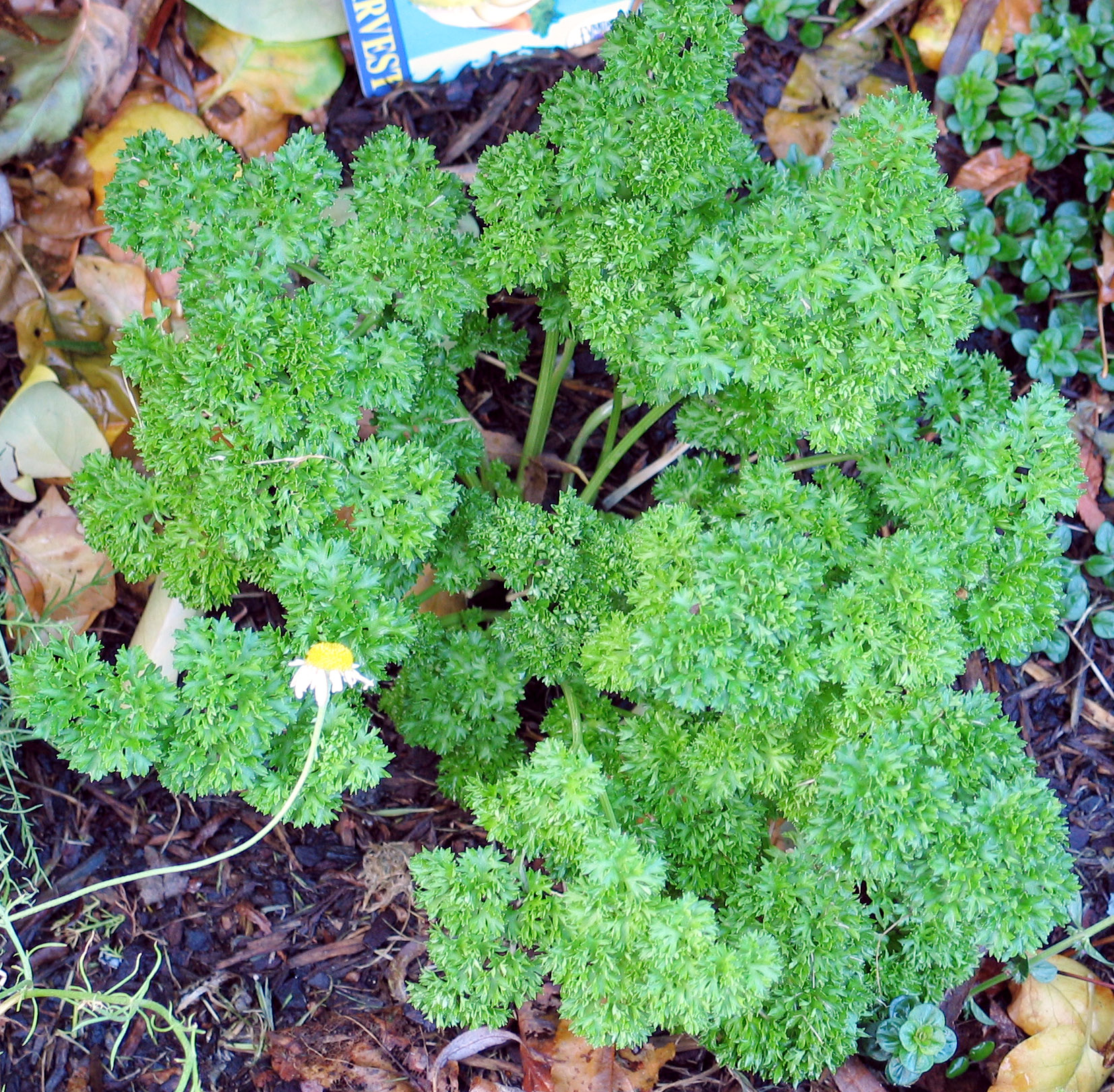
We were working on mincing and I had a pile of parsley on my board. I looked away for a second. One second--or the amount of time it took me to realize that I was missing a fingertip. I cut the top of my finger off. On the first day of school. Before our lunch break. What am I doing here?

After rushing to the bathroom, avoiding passing out, and dissuading my chef from sending me to the hospital, I realized that I instinctively threw the other part of my finger into the recycle bin. I couldn't even get sorting the garbage right.

If taken to the task of creating a litmus test for how badly I wanted this, cutting a finger off was the way to quickly figure it out. I returned to class, silently digesting a wedge of humble pie.

But today I didn't make pie. Today, in an effort to redeem haughty herb-mincing, I made gremolata. And my hands are still in tact.

Gremolata is a condiment made of fresh herbs, lemon and garlic. Although it can be made with a number of herbs like cilantro or mint, it is classically made with flat-leaf parsley. Gremolata is most often served with osso bucco (veal shanks), but also lends bright flavors to steak, seafood and vegetable dishes.

Gremolata

1/4 cup flat-leaf parsley, minced
1 garlic clove, minced
zest of one lemon
1 T. olive oil
pinch of salt to taste

Combine the ingredients and set aside until ready to serve.

Simple roasted lamb chops are a perfect springtime dish to showcase this humble, but, worthy condiment.